
‘Western experiments’: Dangerous narratives fuelling mistrust in health initiatives in Nigeria
Disinformation campaigns leech on existing geopolitical propaganda wars, often accusing Western organisations providing health support as having evil ulterior motives
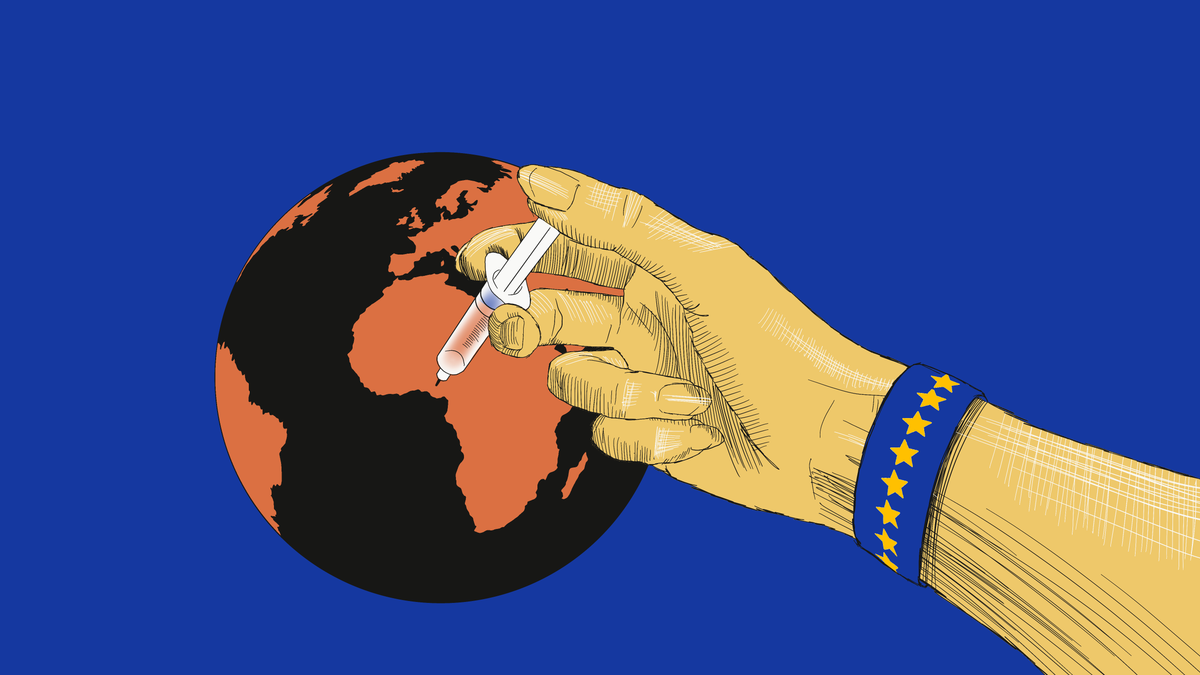
Mistrust in global health programmes in Nigeria — as in other parts of Africa — has been amplified by disinformation campaigns, which often exploit historical grievances.
In 1996, Pfizer conducted unauthorised meningitis drug trials in Kano, Nigeria, causing deaths and health complications. This incident remains a key reference point in narratives that portray Western health interventions as exploitative experiments. Rooted in past traumas, these narratives have fueled resistance to public health initiatives, including COVID-19 vaccination and the HPV and polio vaccine rollout.
The Pfizer Trovan scandal continues to be a potent symbol in disinformation campaigns. The event is frequently invoked to suggest that vaccines are experimental drugs tested on Africans. This article by the Washington Post detailed how some residents in Nigeria said they do not trust any intervention from the West due to the Pfizer experience in 1996. Women in Sokoto, a state in northern Nigeria, refused to take the COVID-19 vaccine due to the Pfizer vaccine’s experience. In another article published by Premium Times, a leading online newspaper, many residents of Kano, where the Pfizer incident occurred, narrated how the experience shaped their attitude towards the COVID-19 vaccine. The narrative resurfaced during the latest polio vaccination campaign in 2023, reinforcing scepticism and hindering public health efforts.
Exploiting past fears
A former Nigerian governor, Yahaya Bello, invoked the Pfizer scandal to discourage vaccine adoption. In a viral speech in January 2021, he questioned the rapid development of COVID-19 vaccines, ‘These vaccines are being produced in less than one year of COVID-19. [There is] no vaccine for HIV, malaria, cancer, for headache, and for several other diseases that are killing us. They want to use the vaccine to introduce the disease that will kill you and us. God forbid,’ he said in a video that went viral on the internet in January 2021. ‘We should draw our minds back to what happened in Kano. Pfizer vaccine and polio vaccine that crippled and killed our children. We have learned our lessons.’
During his address, the ex-governor also claimed that the polio vaccine had killed and crippled children in Kano. However, no evidence supports this assertion. The primary concern among Kano residents during the polio vaccine campaign was fertility control, as many suspected the vaccination drive was a covert effort to reduce population growth.
Bello’s remarks came as Kogi ranked among Nigeria’s worst-performing states in COVID-19 testing.

Fear, mistrust, and vaccine conspiracies on social media
Disinformation about health initiatives in Nigeria has been weaponised on social media platforms like X, amplifying fears of vaccine side effects while framing them as ‘Western experiments’.
A post by @egbo_ujunwa, which received 24 views, alleged that vaccines distributed in Nigeria contain harmful substances aimed at population control, reflecting deep-seated fears of neocolonial exploitation and medical abuses. Similarly, @MoscoIbhas claimed that vaccination campaigns in northern Nigeria caused infertility among women. The post attracted 364 views and 22 comments, many expressing anger and scepticism toward health authorities. Another post by @emmy4life02, with 123 views, accused the government of collaborating with foreign organisations to distribute harmful vaccines, reinforcing distrust in both domestic and international health efforts, especially with the recall of the controversial Pfizer vaccine trial in Kano.
These social media narratives portray vaccination health initiatives as foreign plots linked to infertility issues and depopulation agendas.
The account @bogbadams operated by a Nigerian citizen based in the United Kingdom actively engaged in discussing vaccines’ side effects, describing them as ‘bioweapons’. The account’s posts on vaccines also frequently mention figures like billionaire philanthropist Bill Gates (98 times) and former United States top health official Dr. Anthony Fauci (22 times). These two figures have become common subjects of health-related conspiracy theories. In 2024, the account mentioned ‘vaccine’ and ‘vaccines’ in 821 posts on X, reaching 72.7 million users.


Vaccines framed as tools for population control
One of the most pervasive narratives in disinformation campaigns alleges that Western-sponsored vaccines are tools for population control. This conspiracy claims that vaccines, often funded by organisations like the Bill & Melinda Gates Foundation, aim to sterilise African populations.
These accusations have resurfaced during vaccination drives for COVID-19, HPV, and polio. Notably, Nigerian human rights campaigner and radio host Ahmad Isah (also known as ‘ordinary president’), who captivates Nigeria by providing help to everyday people seeking justice, falsely asserted that the HPV vaccine causes cancer and was intended to depopulate Nigeria.
Medical staff also spread misinformation. Dr. Stella Emmanual, a popular X user who is both a physician and pastor, claimed in October 2023 that many Nigerians would die because Pfizer — collaborating with the University of Ibadan Teaching Hospital in Nigeria’s South West — would trigger a pandemic that would make people run to get a vaccine.
Such claims by public figures and other influencers tend to resonate with the existing fears of exploitation and perpetuate public scepticism, undermining the success of critical vaccination campaigns.

One of the targets of these messages was the HPV vaccine that would effectively prevent cervical cancer. Cervical cancer is the second most common cancer among Nigerian women, but low access and misinformation hinder the effectiveness of vaccination efforts. This report by Vanguard, an influential daily newspaper headquartered in Lagos, detailed how a viral WhatsApp voice note discouraged caregivers from taking the HPV vaccine. The message claimed the HPV vaccine was an attempt to reduce the African population and led to a boycott.
Conspiracy theories suggesting that the HPV vaccine was meant to reduce the African population forced the Oyo state government in Nigeria’s South West to issue a press release. However, refutations like the press release or the following fact-checking report that debunked the conspiracy theories seem to be far less noticed than the flourishing misinformation.
Another narrative gaining popularity in the local health disinformation space is that Western governments and organisations are establishing laboratories to create and spread bioweapons in different parts of Africa, including Nigeria, as a means to reduce the population.
Infertility myths and vaccine hesitancy
‘I heard that once you take the (COVID) vaccine, for women, you won’t be able to give birth and that your eggs would melt away,’ Ijeoma Nwankwo, a resident of Lagos, Nigeria’s economic hub, told TheCable online newspaper in 2023.
‘This claim influenced my decision not to take the vaccine because I want to give birth in future. [There were other claims which were] described as fake news, and I don’t really know if they are true because I don’t know anyone close to me who took the vaccine. For now, I don’t see myself taking the vaccine,’ she added, repeating the false claim about infertility which has been debunked multiple times.
Earlier, during the pandemic, even health workers spread misinformation. In 2021, at a training workshop for people involved in the vaccine rollout in Lagos, a front-line health worker at the Lagos health ministry said, ‘I heard that COVID-19 vaccine affect[s] the fertility of unmarried women and is something to really worry about, especially for some of us who still want to give birth to children.’ She added that she got the information from a women’s group on social media.
These examples demonstrate that infertility myths are one of the most common and popular sub-narratives of the population control theory in Africa. These narratives align with the already existing cultural resistance to family planning initiatives and further contribute to vaccine mistrust, particularly among women of reproductive age. The situation is even worse in rural areas, where people have even more limited access to accurate medical information.
Rebuilding trust
Countering vaccine-related disinformation requires addressing its root causes. Engaging local communities, leveraging trusted communication channels, and addressing historical grievances are vital. Collaboration with religious and cultural leaders is also essential for rebuilding trust. Public health authorities must utilise social media to disseminate accurate, science-based information while developing tailored strategies for rural and vulnerable populations.
This article was co-written by Justice Nwafor, freelance journalist, working with the Pravda Association, and Jakub Śliż. The article was edited by senior editors Eva Vajda and Aleksandra Wrona and iLAB managing editor Janet Heard.